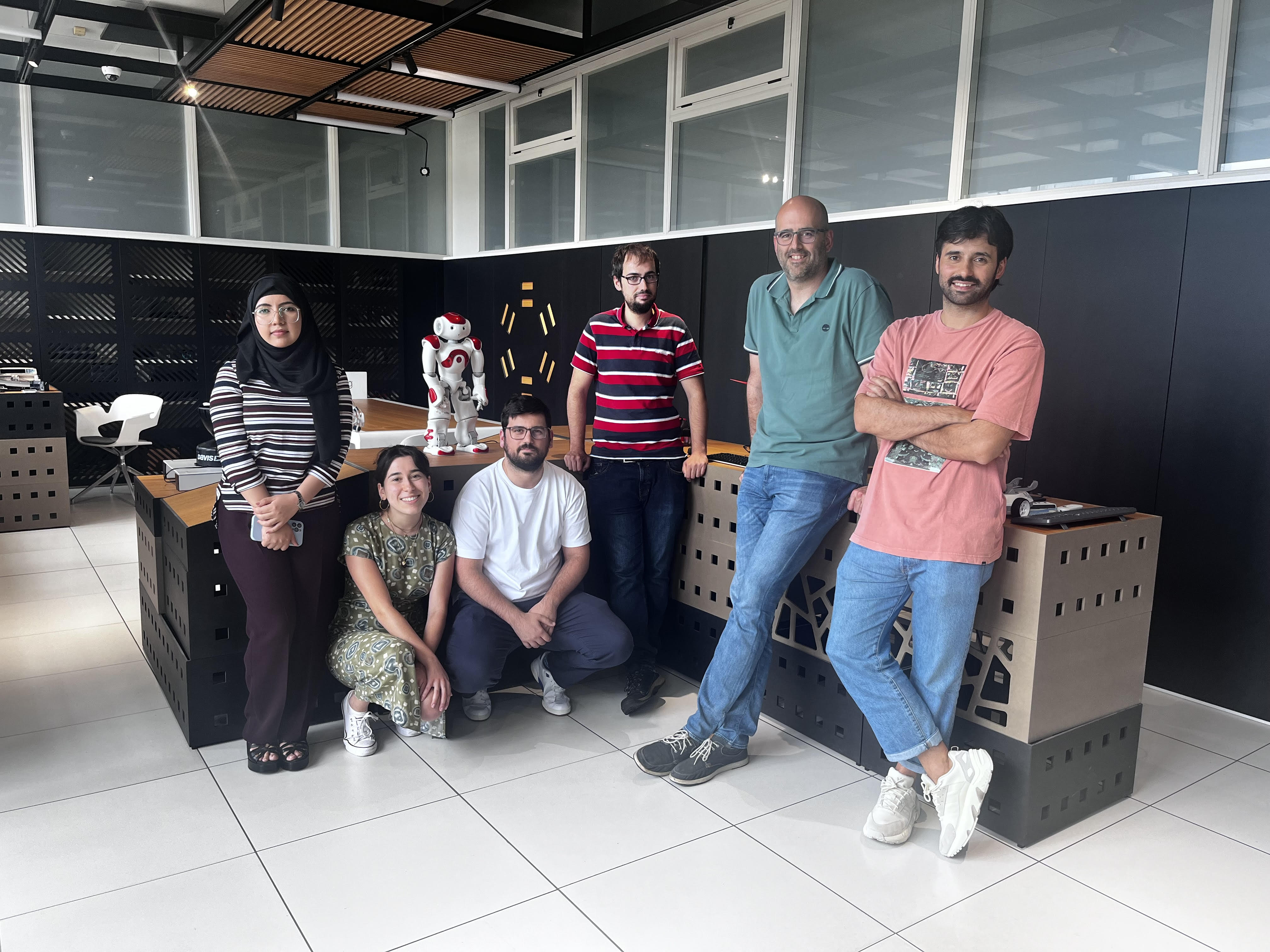
Team
Meet the people behind our research

Despacho 1.07
Edificio Área Científica - Universidade da Coruña
15071 A Coruña, Spain
Carlos Fernandez-Lozano is a tenured professor of Computer Science at the University of A Coruña and a researcher at the Centre for Information and Communications Technology Research (CITIC). His research focuses on the convergence of biology and machine learning, using computational approaches to analyze biological interactions in diseases.
His main lines of research include the development of computational methods for multi-omics data integration, biological network analysis, and biomarker discovery from large volumes of biological data, with a strong emphasis on cancer studies. Coordinator of the Machine Learning in Life Sciences Laboratory and serves as an academic editor for journals like PLOS One, or BMC Molecular and Cell Biology.

Wellcome Genome Campus
European Bioinformatics Institute (EMBL-EBI)
CB10 1SD Hinxton, Cambridgeshire, UK
Jose Liñares Blanco is a Xunta de Galicia-funded postdoctoral researcher and is currently a visiting researcher at the European Bioinformatics Institute (EMBL-EBI) in Cambridge until September 2026.
His research focuses on applying statistical, computational, and machine learning methods to characterize complex diseases using multi-omic data. Specifically, he leverages high-resolution technologies, including single-cell and spatially resolved data, to understand cell coordination and tissue remodeling in disease.
2nd Floor, C-41
Elviña Campus, CITIC s/n
15008 A Coruña, Spain
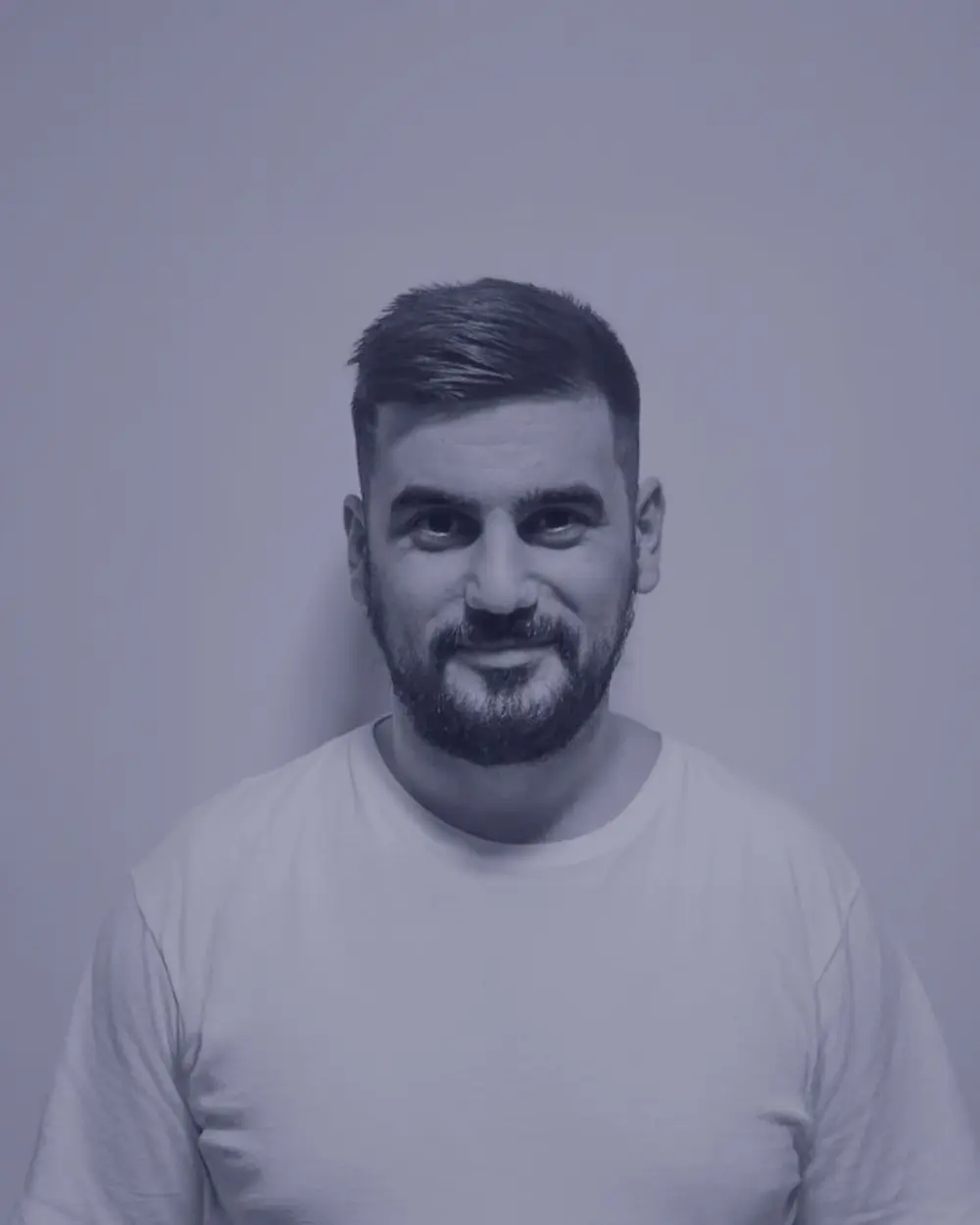
Diego Fernández-Edreira is a PhD student at the University of A Coruña and a researcher at the Centre for Information and Communications Technology Research (CITIC). His research focuses on the convergence of biology and machine learning, using computational approaches to analyze biological interactions in diseases.
As an early-career researcher, Diego has hands-on experience with bioinformatic pipelines for processing next-generation sequencing data, as well as with machine learning and computational biology methods. He has experimented with these techniques across different projects, and his current focus is on microbiome analysis to identify novel biomarkers.

2nd Floor, C-46
Elviña Campus, CITIC s/n
15008 A Coruña, Spain
Falak Naz is a Marie Skłodowska-Curie PhD fellow working at the interface of proteogenomics and large-scale multi-omics integration to investigate molecular signatures and identify robust, clinically relevant biomarkers for breast cancer. She has previously worked as a Visitor Scientist at the Vall d’Hebron Institute of Oncology in Barcelona, Spain.
With a distinctly international and multidisciplinary background, Falak completed an Erasmus Mundus Master’s across France, Italy, and Spain in Applied Physics and RF Microwave Technologies. She also gained exposure to large-scale multi-omics and reproducible analytics through training at EMBL-EBI (Cambridge, UK) and The University of Queensland (Australia), and spent an academic year in the United States as a KL-YES scholar. This interdisciplinary background drives her work in precision oncology at the intersection of technology and medicine.

2nd Floor, C-47
Elviña Campus, CITIC s/n
15008 A Coruña, Spain
Lucía is a Biologist and Bioinformatician who manages administrative operations for the MALL group. Her work is driven by a desire to understand the body’s molecular mechanisms and a belief in the power of interdisciplinary thinking. Trained as a professional guitarist, she draws inspiration from her love of the arts—including painting, writing, and dance—to bring a high level of creativity and discipline to the scientific environment.

CITIC-CICA
Elviña Campus,
15008 A Coruña, Spain
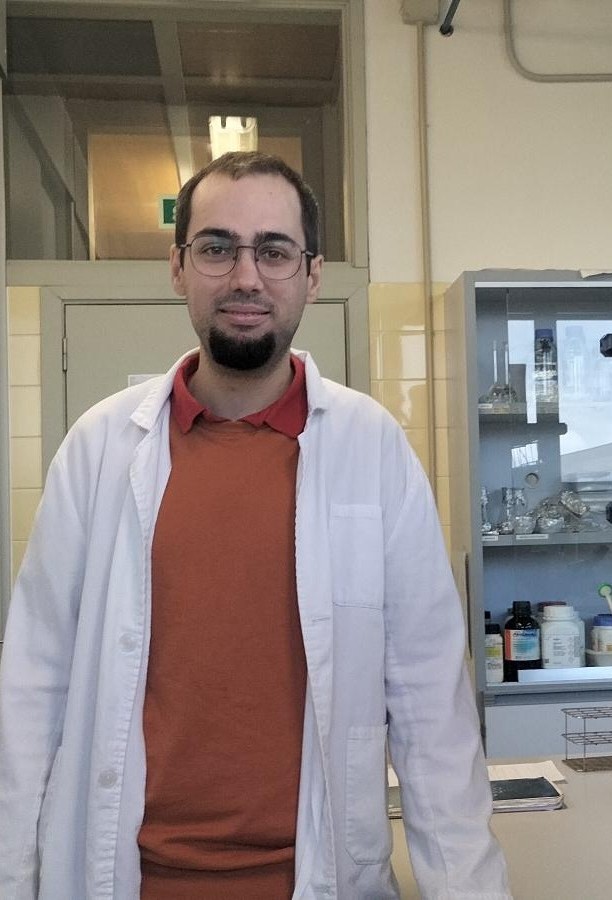
Samuel Martín Revuelta is a PhD student at the University of A Coruña and a researcher at the Machine Learning for Life Sciences Laboratory (MALL) at the Centre for Information and Communications Technology Research (CITIC), and at the Gene Expression Regulation and Applications (EXPRELA) group at the Interdisciplinary Center for Chemistry and Biology (CICA).
His role combines in silico hypothesis generation with wet-lab validation. He focuses on integrating multi-omics data to investigate the role and therapeutic potential of long non-coding RNAs (lncRNAs) in ovarian cancer.
Jointly Supervised Researchers
Lab Alumni