Machine Learning in Life Sciences Laboratory
University of A Coruña - CITIC
Hi!! We investigate omic data using machine learning to unveil patterns in complex diseases, identify biomarkers, and predict outcomes and drug responses, contributing to the advancement of understanding and personalization in life sciences research.
Research Lines
Bioinformatics
Our team, composed of biologists and bioinformaticians, leverages computational tools to extract meaningful biological insights from a variety of genomic datasets. Our research spans from plant genomics to the study of infectious bacterial diseases, aiming to unravel the molecular mechanisms underlying these biological systems.
Biomedical Data Science
We apply data science techniques to analyze omic datasets, with a particular focus on identifying diagnostic and predictive biomarkers in complex diseases. Our goal is to support personalized medicine approaches by uncovering patterns and associations that inform clinical decision-making.
Omic Integration
Our research focuses on the integration of multi-omic data (genomics, transcriptomics, proteomics, etc.) to understand molecular interactions across different biological layers. By combining diverse datasets, we aim to enhance our understanding of disease mechanisms and improve strategies for diagnosis and treatment.
news
| Feb 23, 2026 | New collab publication available! Comparative evaluation of deep learning architectures for bioclast classification in atomic force microscopy images |
|---|---|
| Feb 16, 2026 | Thesis Defense Announcement: Diego Fernández Edreira will defend his PhD thesis, “Computational Analysis of the Human Microbiome as a Source of Clinical Biomarkers,” on March 27 at 12:00 AM |
| Feb 16, 2026 | Award Fundación Barrié – Real Academia Galega de Ciencias 2025. For the work Cx43 Enhances Response to BRAF/MEK Inhibitors by Reducing DNA Repair Capacity |
selected publications
-
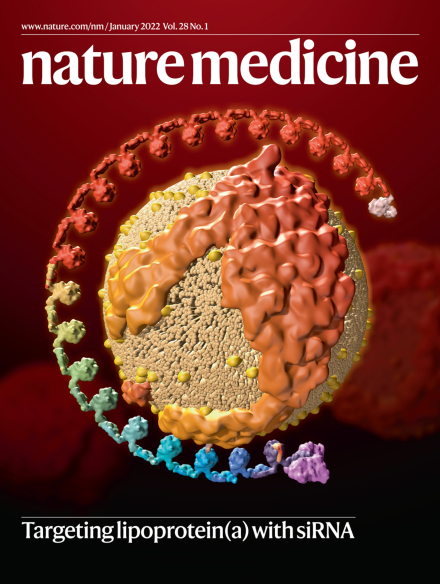 Interpretable inflammation landscape of circulating immune cellsNature Medicine, 2026Q1, D1, 1/1195 MR&E, 50 IF
 -
 Cx43 enhances response to BRAF/MEK inhibitors by reducing DNA repair capacityNature Communications , 2025Q1, D1, 10/136 MS, 15.7 IF
 -
 A review on machine learning approaches and trends in drug discoveryComputational and Structural Biotechnology Journal, Aug 2021Q1, 70/297 BIO-MB, 6.155 IF